Understanding the Causes of Roofing Failure
The Philippines presents one of the most demanding environments for roofing systems. Intense sunlight, heavy seasonal rains, strong typhoons, and year-round humidity place constant pressure on both residential and commercial roofs. While many roofing systems are designed to last for decades, poor decisions during material selection, installation, or maintenance often lead to problems much sooner than expected.
A roof is one of the most important structural investments in any property. When problems begin to develop, they rarely happen overnight. Most failures start as small issues that gradually become expensive repairs if left unaddressed.
Common Reasons Roofs Fail
Poor Material Selection
Not all roofing materials are designed to perform in tropical climates. Lower-quality materials may initially reduce construction costs, but they often struggle against constant exposure to heat, moisture, and strong winds.
Improper Installation
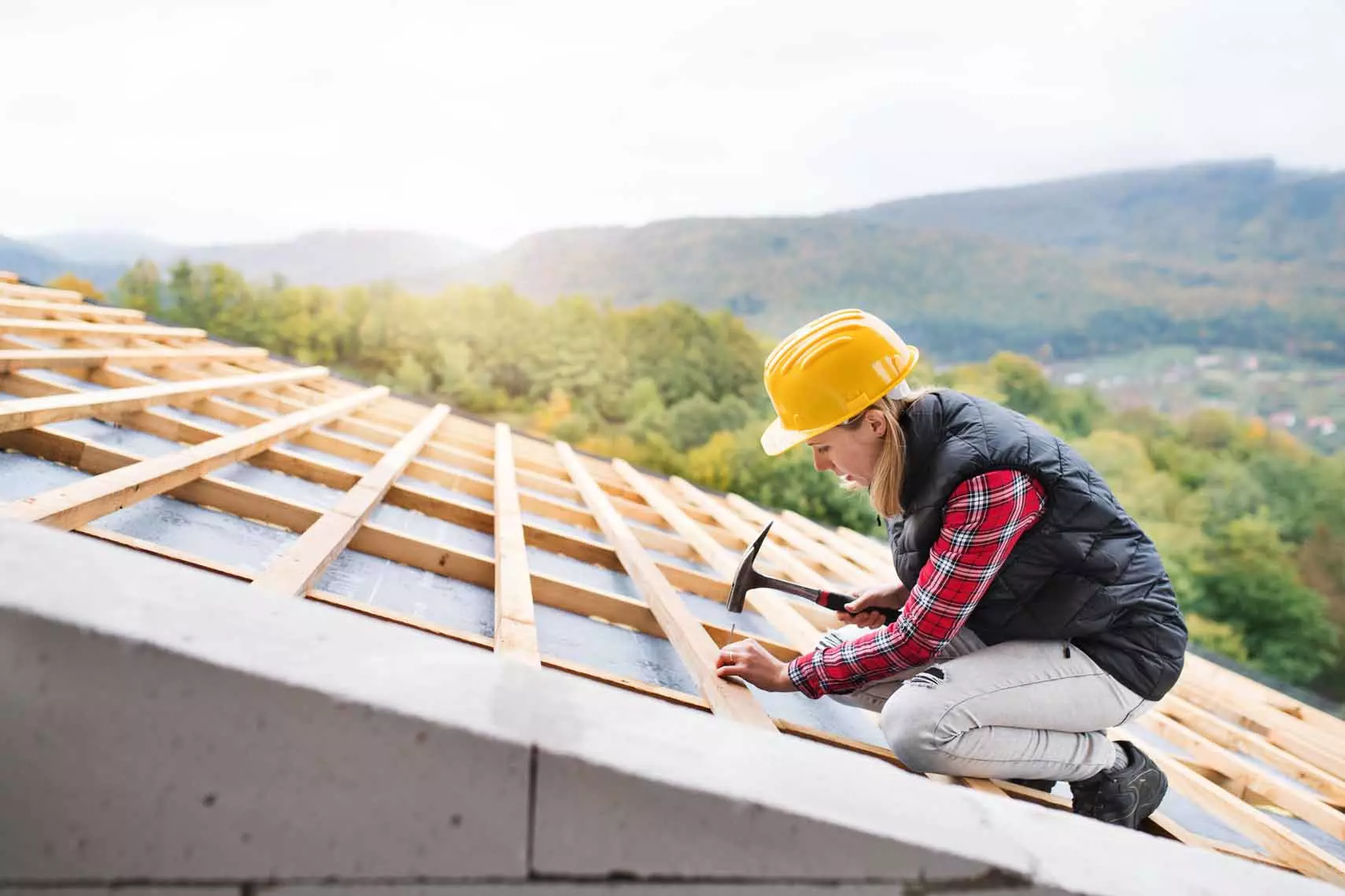
Even premium roofing materials can fail when installed incorrectly. Loose fasteners, poor overlaps, weak sealing, or incorrect structural alignment can create entry points for water and wind damage.
Heat Expansion and Structural Stress
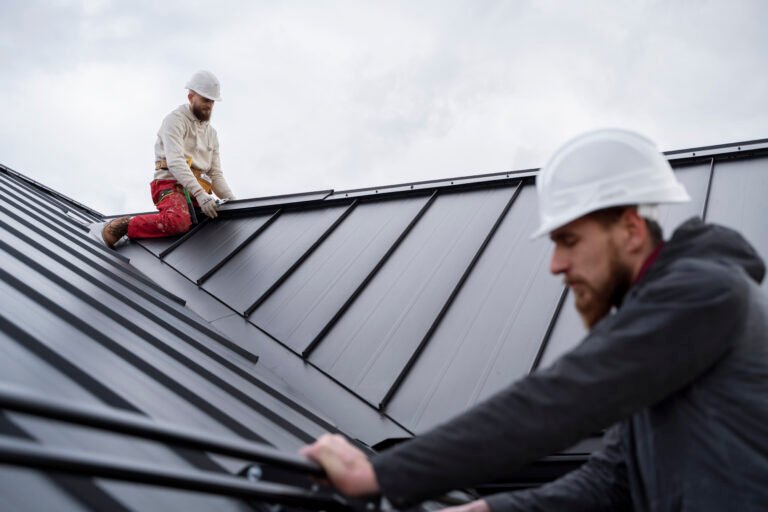
Metal roofing naturally expands during the hottest parts of the day and contracts as temperatures cool. Over time, this repeated movement can weaken connections if proper installation allowances are not made.
Corrosion from Humidity and Salt Exposure
Properties near coastal areas face additional challenges. Salt in the air combined with high humidity can accelerate corrosion, especially if protective coatings become damaged.
Lack of Preventive Maintenance
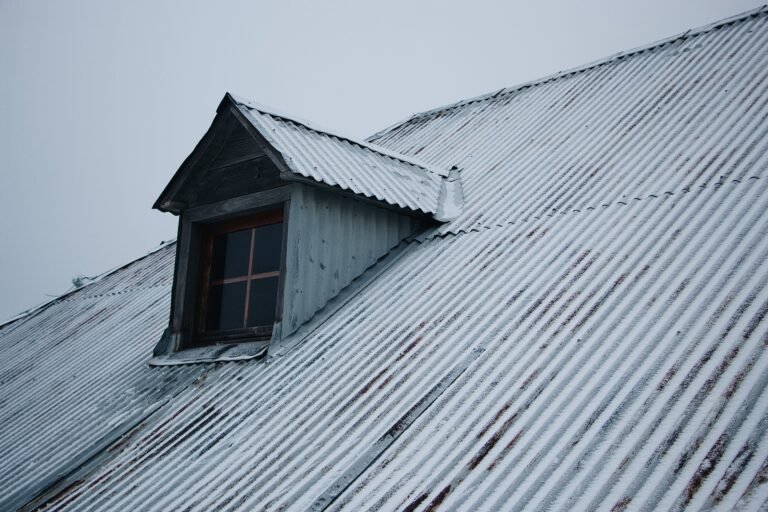
Small leaks, rust spots, and loose screws may appear minor at first, but without routine inspections, these issues can quickly develop into major structural concerns.
Preventing Long-Term Roofing Problems
- Invest in roofing materials suited for tropical climates
- Work with experienced roofing professionals
- Ensure proper ventilation and insulation
- Schedule routine inspections and maintenance
- Use protective coatings where needed
A properly planned roofing system provides long-term protection, energy efficiency, and peace of mind for years to come.