Understanding Heat Buildup in Roofing Systems
In tropical climates like the Philippines, excessive roof heat is one of the most common reasons buildings become uncomfortable during the day. Many property owners focus on air-conditioning solutions without realizing that the roofing system itself may be the primary source of indoor heat.
When heat becomes trapped inside the structure, energy costs rise, cooling systems work harder, and indoor comfort decreases.
Why Roofs Absorb So Much Heat
Constant Direct Sunlight
Roof surfaces receive continuous sun exposure throughout the day, causing materials—especially metal roofing—to absorb significant amounts of heat.
Insufficient Insulation
Without proper insulation, heat transfers directly from the roof into interior spaces.
Poor Ventilation
Hot air naturally rises, but without proper airflow, it becomes trapped inside roof cavities or attic spaces.
Dark Surface Colors
Darker roofing finishes absorb more solar energy compared to reflective or lighter-colored surfaces.
Effective Ways to Reduce Roof Heat
Install Reflective Roofing Materials
Reflective surfaces help reduce heat absorption and improve indoor comfort.
Add High-Quality Insulation
Insulation creates a barrier that slows heat transfer into living or working spaces.
Improve Roof Ventilation
Proper airflow allows trapped hot air to escape naturally.
Apply Thermal Roof Coatings
Specialized coatings can improve energy efficiency and reduce surface temperatures.
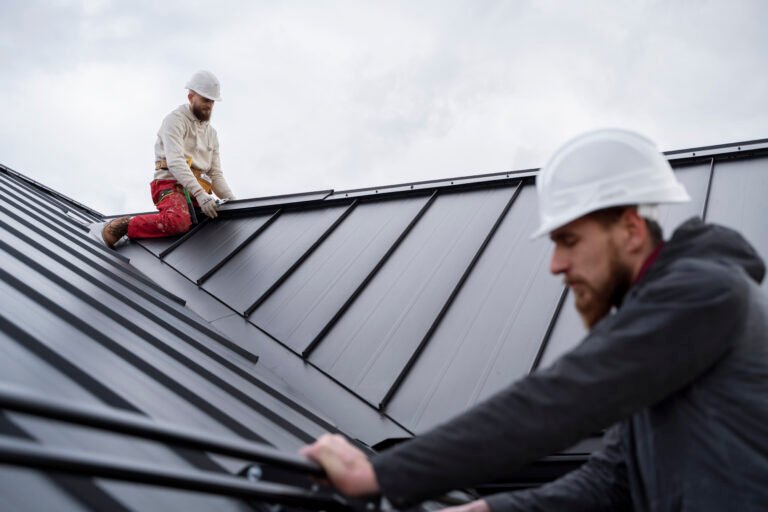
Schedule a Professional Roof Assessment
A professional inspection can identify weaknesses in design, insulation, or airflow.
A cooler roofing system not only improves comfort but also reduces energy consumption and helps extend the lifespan of your entire property.